
Training fighting cocks or trường gà c1 thomo is an age-old tradition that has garnered a unique blend of admiration and controversy. Enthusiasts hail the practice as a testament to animal prowess and human dedication, while critics raise ethical concerns regarding the treatment of these animals. Regardless of one’s stance on the matter, understanding the complexities of training fighting cocks provides insight into a fascinating world where commitment, skill, and strategy intersect. This article explores techniques, training methods, health considerations, and the cultural significance of training fighting cocks.
 Read more – Huấn luyện gà chọi
Understanding the Basics of Fighting Cocks
Before delving into the intricacies of training, it is important to understand the fundamentals of fighting cocks. This section covers the definition, history, and types of breeds commonly used in cockfighting.
Definition and Purpose
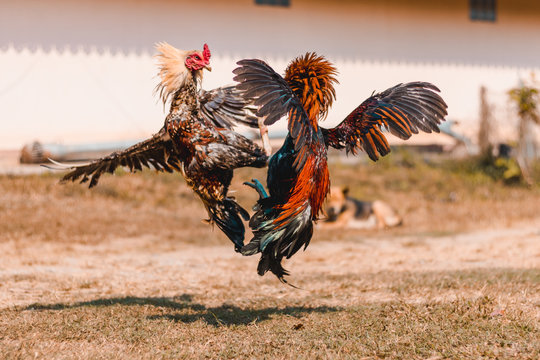
Fighting cocks are specially bred roosters that have been trained for combative sports. Their primary purpose is to engage in fights with other roosters, often for entertainment or gambling. The appeal of fighting cocks lies in their natural aggression, agility, and intelligence, making them formidable opponents in the ring.
The training process aims not only to enhance their fighting abilities but also to ensure their overall health and well-being. A well-trained fighting cock can display extraordinary stamina, strength, and strategic thinking during fights, which makes them highly sought after by enthusiasts.
Historical Context
Cockfighting dates back thousands of years, with evidence of its existence found in various ancient civilizations, including Greece, Rome, and Asia. These societies revered the rooster as a symbol of courage and valor. Over time, cockfighting became popular across different cultures, each developing its own techniques and traditions surrounding the sport.
In some regions, such as Southeast Asia and Latin America, cockfighting is deeply ingrained in local culture, often accompanied by festivities and community gatherings. However, this rich history is juxtaposed against modern debates about animal rights, prompting many countries to impose regulations or outright bans on the sport.
Breeds of Fighting Cocks
Not all roosters are fit for fighting; specific breeds exhibit qualities conducive to success in the ring. Some common breeds include the American Game, Asil, and Shamo. Each breed possesses unique characteristics that influence their fighting style and temperament.
American Game cocks, known for their tenacity and endurance, are often favored in competitive matches. They are agile and display quick reflexes, allowing them to evade attacks while delivering powerful strikes. On the other hand, Asil cocks are known for their strength and loyalty, often forming strong bonds with their trainers. Shamo roosters are recognized for their impressive size and robust physique, making them intimidating opponents.
Understanding these breeds helps trainers select the right cock for their specific needs, tailored to the environment and expectations of the fight.
Training Techniques for Fighting Cocks
Once you have chosen the right breed, the next step is implementing effective training techniques. This section discusses various training methods, routines, and strategies to prepare fighting cocks for competition.
Physical Conditioning
Physical conditioning is paramount in training fighting cocks. The aim is to build strength, agility, and stamina through a regimen that incorporates both aerobic and anaerobic exercises.
Aerobic exercises often include free-range activities, allowing the cocks to roam and engage in natural behaviors. Providing ample space encourages them to sprint, jump, and flap their wings, promoting cardiovascular fitness. Trainers may also incorporate obstacle courses to challenge their agility and reaction time while ensuring they remain engaged and stimulated.
Anaerobic training involves high-intensity bursts of activity. Trainers might simulate fight scenarios by introducing sparring sessions with a padded opponent. This practice allows the cocks to learn timing, distance, and strategy while honing their fighting instincts under controlled circumstances.
Mental Training
Mental preparation is just as crucial as physical conditioning. Fighting cocks must develop focus, confidence, and aggression to perform optimally in stressful situations.
Introducing socialization exercises helps build confidence in fighting cocks. Allowing them to interact with other birds—in a safe and supervised environment—can help reduce anxiety and encourage assertiveness. Furthermore, exposing them to various stimuli, such as sounds and movements, prepares them for the unpredictability of actual fights.
Trainers also use reward-based methods to instill positive associations with training. Treats or praise for exhibiting desired behaviors can motivate the cock to push beyond its limits. This approach fosters trust between the trainer and the bird, creating a supportive bond that enhances performance.
Nutrition and Health
A well-planned diet is essential for maintaining the health and energy levels of fighting cocks. Proper nutrition fuels their training and ensures they remain physically capable and vigorous.
A balanced diet typically includes a mix of protein, carbohydrates, vitamins, and minerals. Protein sources, such as insects, worms, and specially formulated feeds, promote muscle growth and repair. Carbohydrates from grains provide sustained energy for rigorous workouts. Additionally, vegetables and supplements rich in vitamins and minerals support immune function and overall health, mitigating the risk of illness.
Regular veterinary check-ups are vital in monitoring the health of the cocks. Trainers should be vigilant for signs of distress, injury, or illness, as early intervention can prevent complications from arising. Maintaining a clean and hygienic environment also minimizes the risk of diseases that could hinder training progress.
Fight Simulation
One of the most critical components of training is simulating actual fight conditions. By recreating the atmosphere and intensity of competition, trainers can prepare their cocks for the challenges they will face in the ring.
Fight simulations involve controlled sparring sessions where the cock practices its techniques against a live opponent. This experience teaches the bird how to respond to various combat styles, improving its adaptability and decision-making abilities. Trainers often introduce distractions or stressors to mimic the excitement and chaos of an actual match, allowing the cock to become acclimated to the fight environment.
Observing these simulations allows trainers to identify strengths and weaknesses in their cocks’ performance. This feedback loop enables them to refine training methods, focusing on areas that require improvement.
Ethical Considerations in Cockfighting
As the popularity of cockfighting continues to spark debate, ethical considerations surrounding the practice cannot be ignored. This section examines the moral dilemmas facing trainers, as well as the measures taken to ensure the welfare of fighting cocks.
Animal Welfare Concerns
Critics of cockfighting argue that the practice exploits animals for entertainment and profit. The inherent risks of injury or death during fights raise serious ethical questions about the treatment of fighting cocks. Many organizations advocate for the humane treatment of animals and seek to impose restrictions or abolish the sport altogether.
In response to these concerns, some trainers adopt measures to prioritize the health and safety of their cocks. This includes providing proper housing, nutrition, and medical care. Regulations in certain regions dictate how fights should be conducted, emphasizing the need for humane treatment and minimizing unnecessary suffering.
The Role of Regulation
In many countries, cockfighting is either heavily regulated or banned altogether. These laws vary widely, with some regions permitting the practice under strict guidelines, while others outlaw it entirely. Advocates for cockfighting argue that regulated environments ensure better standards for animal care and safety compared to illegal underground operations.
Moreover, licensed events often incorporate veterinary oversight and enforce rules designed to protect the cocks involved. Such regulations aim to create a more humane environment for both the birds and the spectators, promoting responsible ownership and training practices.
Changing Perceptions
Cultural attitudes towards cockfighting are evolving, leading to increased scrutiny and discussions about animal rights. While some communities continue to celebrate the tradition, others are beginning to question its place in modern society.
Efforts to educate trainers and participants about ethical considerations are gaining traction. Programs that highlight alternatives to cockfighting, such as exhibition matches without harm, offer ways to preserve the cultural significance of the sport while prioritizing animal welfare.
This shift in perception showcases the potential for change within the cockfighting community, encouraging discussions about responsible practices and the future of the sport.
FAQs
What is the main goal of training fighting cocks?
The primary goal of training fighting cocks is to enhance their physical capabilities, mental resilience, and fighting skills, ensuring they perform optimally during competitions.
Are there legal regulations regarding cockfighting?
The legality of cockfighting varies significantly by country and region. In some places, it is strictly regulated or banned, while others allow it under specific guidelines.
How do trainers ensure the health of fighting cocks?
Trainers can ensure the health of fighting cocks through proper nutrition, regular veterinary check-ups, and maintaining a clean and safe environment for the birds.
What are the ethical concerns surrounding cockfighting?
Ethical concerns primarily revolve around animal welfare, with critics arguing that the practice exploits animals for entertainment and poses risks of injury or death during fights.
How can trainers minimize injuries during training and fights?
Trainers can minimize injuries by using controlled sparring sessions, supervising interactions with other birds, and following regulations that emphasize humane treatment of the cocks.
Conclusion
Training fighting cocks embodies a complex interplay of tradition, skill, and ethics. While the sport continues to flourish in some cultures, it faces increasing criticism and calls for reform. Understanding the nuances of the training process—ranging from physical conditioning to ethical considerations—provides a comprehensive perspective on this multifaceted practice. Whether viewed through the lens of sport or animal welfare, the story of fighting cocks remains one of passion, dedication, and the enduring relationship between humans and animals. As society evolves, so too must the practices surrounding this age-old tradition, balancing cultural heritage with compassion and responsibility.
