
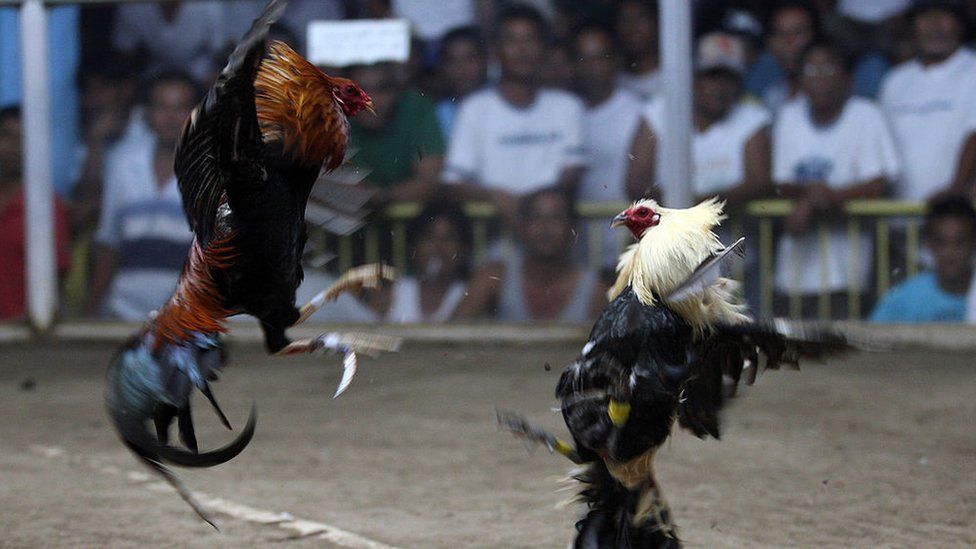
Fighting cocks, or gamecocks/Đá gà Thomo, hold a distinct place in the culture of various societies where cockfighting is prevalent. These birds are bred for their agility, strength, and resilience. However, raising fighting cocks comes with its own set of challenges, particularly when it comes to disease prevention. As these birds are often exposed to stressful environments, understanding how to prevent diseases can significantly improve their health and performance. This article aims to delve into effective strategies and best practices for disease prevention in fighting cocks.
 Read more – Phòng bệnh cho gà đá
Understanding Common Diseases in Fighting Cocks
Recognizing common diseases that affect fighting cocks is the first step in effective disease prevention. Various pathogens can take siege on these birds, leading to detrimental health issues.
Viral Diseases
Viral infections are among the most concerning threats to the health of fighting cocks. Diseases such as Marek’s disease and Newcastle disease can have severe consequences if not managed properly.
Marek’s Disease
Marek’s disease is caused by a herpesvirus and primarily affects young birds. The virus can lead to tumors and is often fatal. Infected birds may show signs like paralysis, weight loss, and changes in feather coloration.
Prevention against Marek’s disease focuses heavily on vaccination. Vaccinating chicks at an early age has shown to be effective in reducing the incidence of this disease. Additionally, maintaining strict biosecurity measures can help prevent the spread of the virus.
Newcastle Disease
Newcastle disease is another viral infection that can wreak havoc on a flock. It presents symptoms ranging from respiratory distress to neurological problems.
Vaccination plays a crucial role in preventing Newcastle disease as well. Keeping track of vaccination schedules and ensuring that all birds receive their shots is essential. Quarantine measures should be taken seriously; any new birds introduced to the flock should be isolated and monitored for symptoms.
Bacterial Infections
Bacterial infections can also pose serious risks to fighting cocks. Common bacterial diseases include infectious coryza and fowl cholera.
Infectious Coryza
Infectious coryza is a respiratory disease caused by the bacterium Avibacterium paragallinarum. Symptoms often include nasal discharge, swelling around the eyes, and difficulty breathing.
To prevent infectious coryza, maintaining good sanitation and hygiene is critical. Regular cleaning of living spaces and equipment can minimize the risk of bacteria spreading. Moreover, isolating infected birds will help prevent outbreaks within the flock.
Fowl Cholera
Fowl cholera is another bacterial disease that can lead to high mortality rates. Caused by Pasteurella multocida, symptoms may include sudden death, lethargy, and fever.
Preventative measures include vaccinations, which are available for fowl cholera. Ensuring proper nutrition and minimizing stress factors can also bolster the immune system of the birds, making them less susceptible to infections.
Parasitic Infections
Parasitic infections can undermine the health of fighting cocks over time. Common parasites include worms and external parasites like mites and lice.
Internal Parasites
Worms, specifically roundworms and tapeworms, can rob fighting cocks of vital nutrients. Birds infected with internal parasites may exhibit weight loss and poor growth.
Regular deworming and administering medications designed to eliminate specific types of worms are essential preventive measures. Monitoring the overall health and body condition of the birds will help identify potential issues before they escalate.
External Parasites
Mites and lice can lead to skin irritation, feather loss, and general discomfort among fighting cocks. Infestations can also lead to secondary infections due to skin damage.
Maintaining clean living conditions and using appropriate insecticides can help manage external parasites effectively. Routine checks for signs of infestations, such as feather loss or excessive scratching, are crucial for early intervention.
Best Practices for Disease Prevention
Implementing best practices is integral to disease prevention for fighting cocks. These practices encompass various aspects of care, from housing to nutrition.
Biosecurity Measures
Biosecurity encompasses protocols designed to prevent the introduction and spread of diseases. Effectively implementing biosecurity measures can significantly reduce the risk of infections.
Cleanliness and Hygiene
Keeping the living environment clean is paramount. Regularly cleaning coops, feeding dishes, and water containers helps eliminate potential pathogens.
Make sure to remove feces frequently and disinfect surfaces to prevent disease transmission. Establishing a routine for cleaning and disinfecting areas where the birds live and roam can foster a safer habitat.
Controlled Access
Limiting access to the flock is another critical aspect of biosecurity. Only essential personnel should interact with the birds, and it’s crucial to restrict visits from outsiders who may inadvertently introduce diseases.
Using footbaths and hand sanitizers at entry points can significantly mitigate the risk of introducing harmful pathogens. Implementing a visitor policy that mandates thorough cleaning and monitoring is advisable.
Nutrition and Feeding
Nutrition plays a vital role in maintaining the health of fighting cocks. A balanced diet supports their immune systems and enhances overall well-being.
Providing Adequate Nutrition
Ensuring that fighting cocks receive a complete and balanced diet is fundamental. Nutritional needs can vary depending on age, activity level, and health status.
Consider consulting a veterinarian or avian nutritionist to develop a tailored feeding program. Incorporating high-quality feed along with necessary vitamins and minerals will promote optimal health.
Access to Fresh Water
Fresh water is essential for hydration and overall health. Dehydration can weaken the immune system, making birds more susceptible to diseases.
Always provide access to clean, fresh drinking water. Regularly change the water and ensure that containers are kept free from contaminants.
Regular Health Check-ups
Routine health assessments are crucial for early detection and intervention of health issues. Conducting regular check-ups aids in identifying potential problems before they escalate.
Monitoring Behaviour and Physical Condition
Observing the behavior and physical condition of fighting cocks can reveal underlying health issues. Pay attention to changes in appetite, energy levels, and activity.
Unusual behaviors or physical signs such as limping, lethargy, or abnormal droppings should prompt immediate attention. Early identification of health concerns can lead to timely treatment.
Consulting a Veterinarian
Establishing a relationship with a veterinarian who specializes in avian medicine is beneficial. Regular consultations can help keep your flock healthy and informed about potential health risks.
Veterinarians can conduct thorough health examinations, recommend vaccines, and provide guidance on best practices for caring for fighting cocks.
Importance of Vaccination
Vaccination is one of the most effective means of disease prevention. Regular vaccination schedules can shield fighting cocks from numerous illnesses.
Types of Vaccines
Several vaccines are essential for protecting fighting cocks. These include vaccines for Marek’s disease, Newcastle disease, and fowl pox.
Marek’s Disease Vaccine
Administering the Marek’s vaccine at an early age is crucial. Since Marek’s disease can have devastating effects, preventative vaccination is widely recommended.
This vaccine has been proven effective in reducing the incidence of the disease, allowing birds to grow stronger and healthier without the fear of contracting this virus.
Newcastle Disease Vaccine
The Newcastle disease vaccine is another critical component of poultry health management. Administering this vaccine can help protect against the highly contagious virus.
Birds should be vaccinated according to veterinary guidelines, ensuring they receive booster shots as needed to maintain immunity.
Following Vaccination Protocols
Understanding the timing and methods for vaccinations ensures their effectiveness. Maintaining accurate records of vaccination schedules will facilitate better management of the flock’s health.
Booster Shots
Booster vaccinations may be necessary for some diseases. It is essential to follow the recommended intervals between vaccines to sustain immunity levels.
Monitoring the health of vaccinated birds will help identify any adverse reactions and assist in adjusting future vaccination protocols.
Record Keeping
Keeping meticulous records of each bird’s vaccination history is advantageous. This practice ensures that no vaccinations are missed and provides valuable information for managing the health of the flock.
Records can also help in identifying patterns and trends regarding any health issues within the flock, facilitating targeted interventions.
FAQs
What are the primary health concerns for fighting cocks?
Primary health concerns include viral diseases like Marek’s disease, bacterial infections such as fowl cholera, and parasitic infestations. Each of these issues can severely impact the health and performance of the birds.
How can I effectively implement biosecurity measures?
Implementing biosecurity involves maintaining cleanliness in living environments, controlling access to flocks, and establishing strict protocols for introducing new birds. Utilizing footbaths and sanitizers can further enhance protection.
Is vaccination necessary for fighting cocks?
Yes, vaccination is crucial for preventing common diseases among fighting cocks. Vaccines for Marek’s disease and Newcastle disease are particularly important in protecting the flock.
What should I do if I notice health issues in my birds?
If you notice health issues, closely observe the affected birds and consult a veterinarian familiar with avian health. Prompt action can help address the issue before it escalates.
How often should I conduct health check-ups?
Regular health check-ups should be a scheduled part of your routine. Weekly observations for behavioral and physical changes, along with quarterly professional examinations, can help ensure the flock remains healthy.
Conclusion
Disease prevention for fighting cocks is a multifaceted approach that requires diligence, education, and proactive measures. By understanding common diseases, implementing best practices, prioritizing vaccination, and maintaining vigilant health checks, owners can ensure the well-being of their birds. Ultimately, a commitment to proper care and disease prevention will not only enhance the health of fighting cocks but also contribute to their improved performance, making the effort worthwhile.
